BOARD ZERO
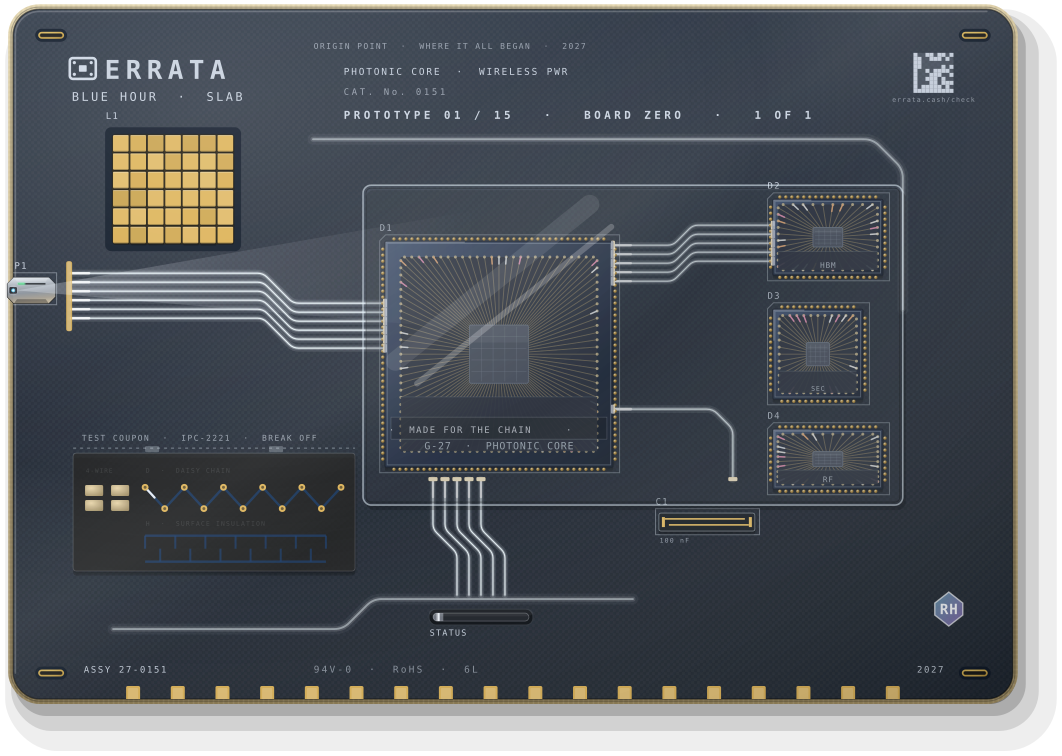
The origin, and the only one of the fifteen that had no signature of its own. It carries the test coupon instead — the IPC land patterns a fabricator runs before a board exists, which is exactly what board zero means.
One of one, and one each. Fifteen pieces carry a drawing that exists on no other card in the catalogue — a counter that clacks, a fountain of atoms, a pane of glass you see through. Their numbers are holes punched in the six ranges: the 5 540 ordinary cards are cut from what remains once these fifteen are set aside.
The origin, and the only one of the fifteen that had no signature of its own. It carries the test coupon instead — the IPC land patterns a fabricator runs before a board exists, which is exactly what board zero means.
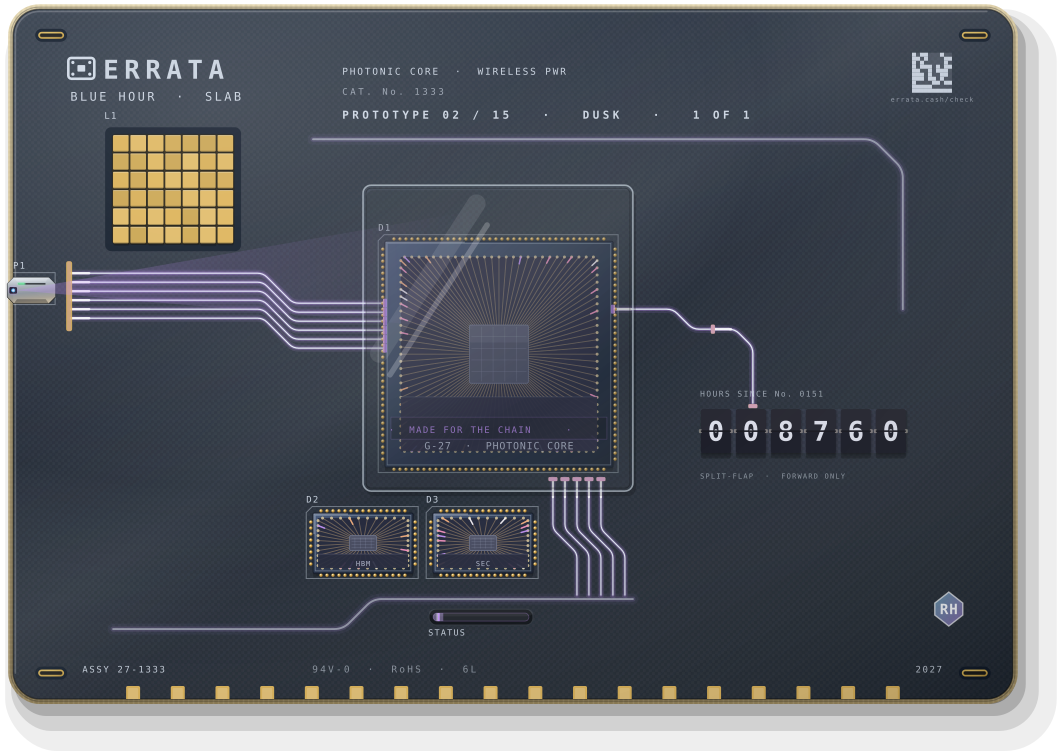
A split-flap counter, the kind that clacks in a railway hall. It counts the hours since BOARD ZERO: 008760 — the year that separates them, to the day.
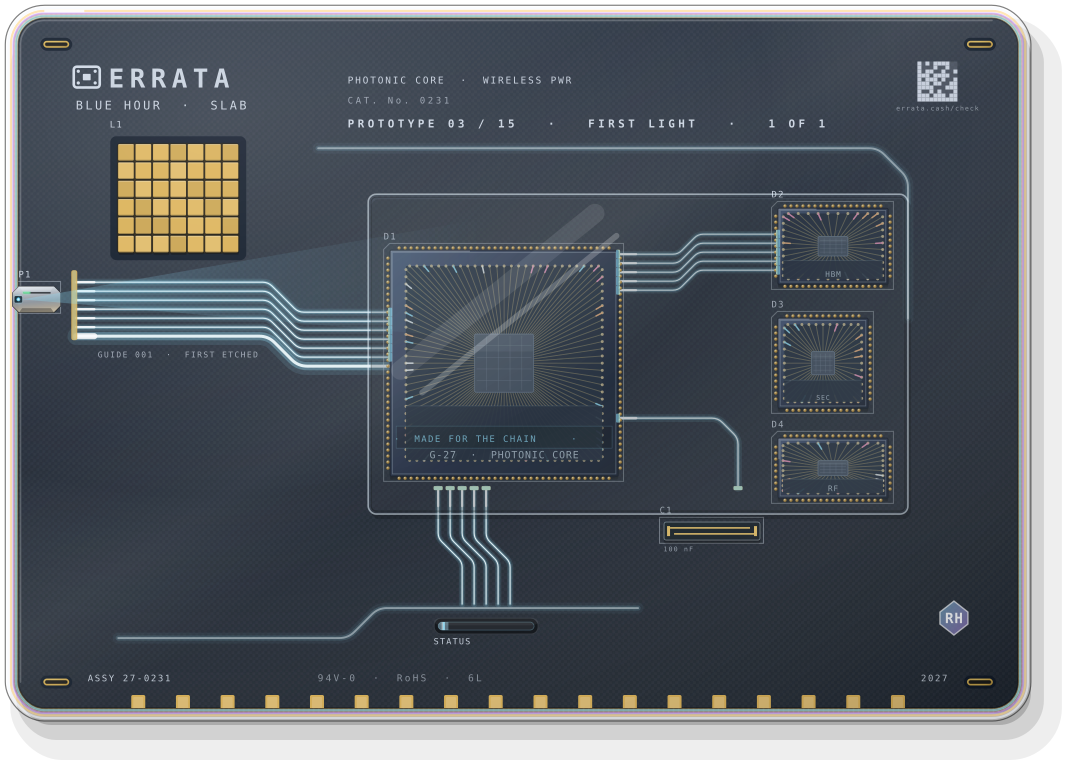
The very first light guide ever etched: a single trace, wider than every other on the card, running from the port straight to the core. Nothing else competes with it.
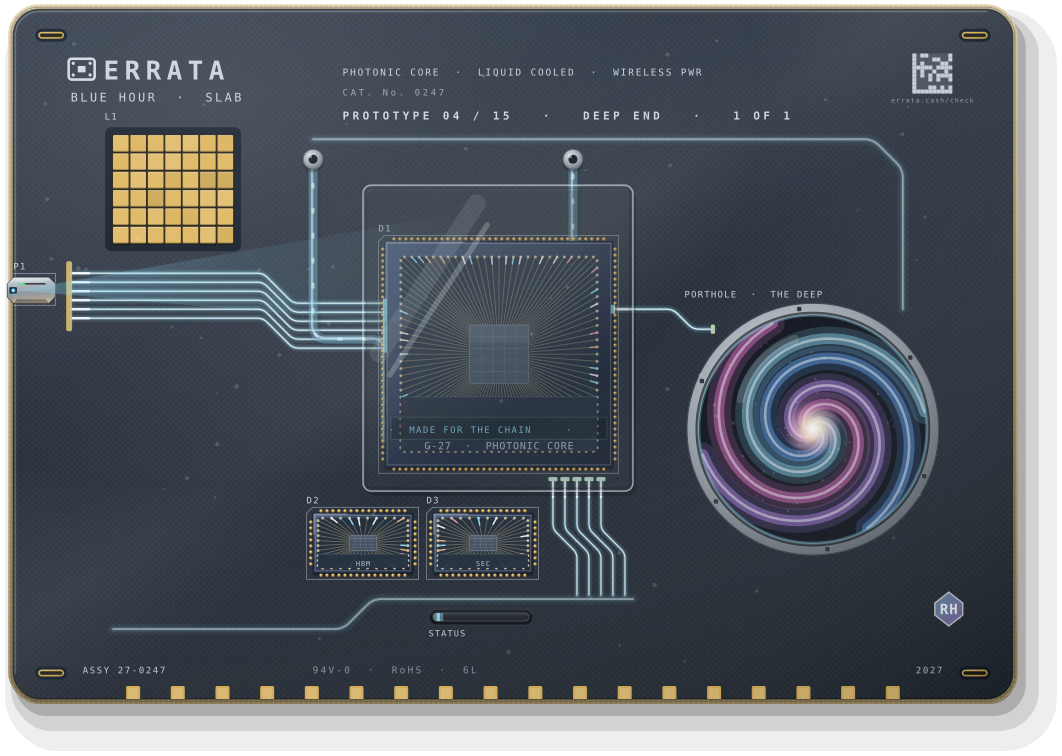
A porthole cut through the substrate, and a galaxy turning inside it. Dust hangs in the glass, lit from the edge.
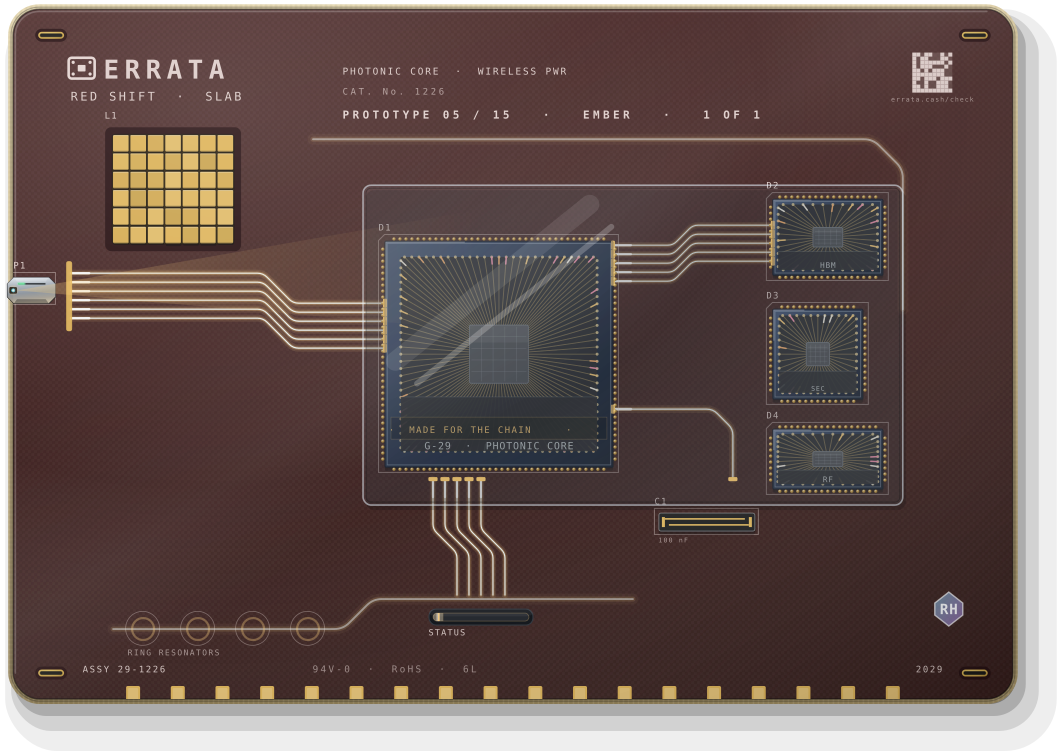
Resonant rings strung along the bottom bus, amber, breathing in sequence.
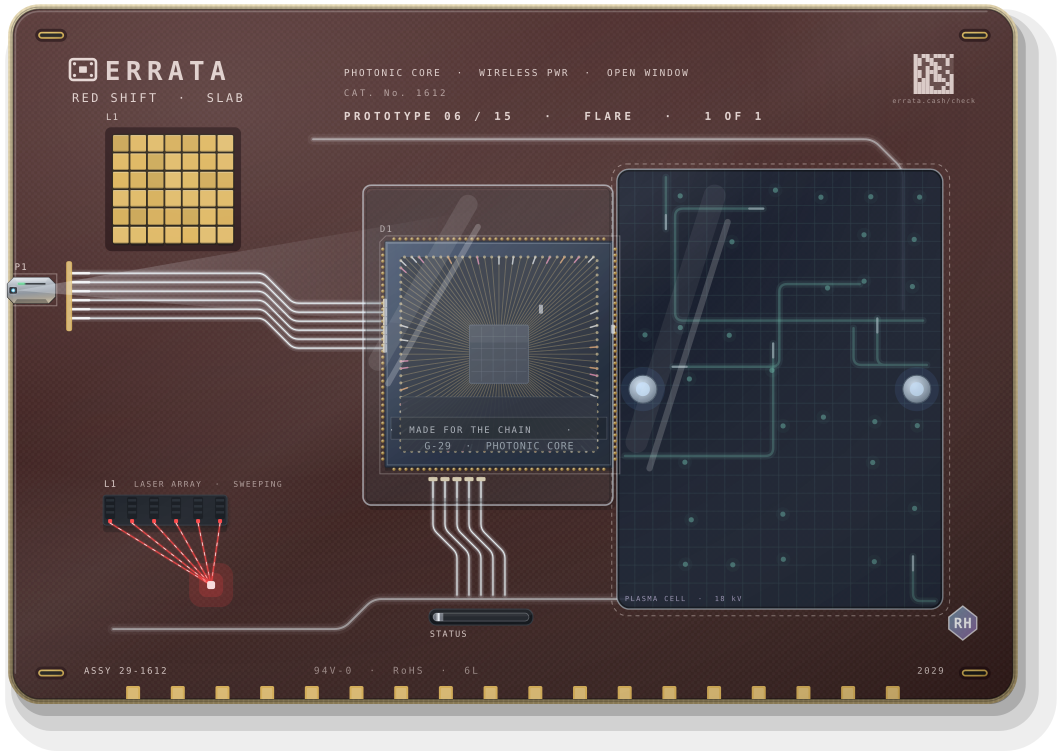
A plasma window, and a bar of six lasers converging on an aim point — a continuous fluid sweep, not a blink.
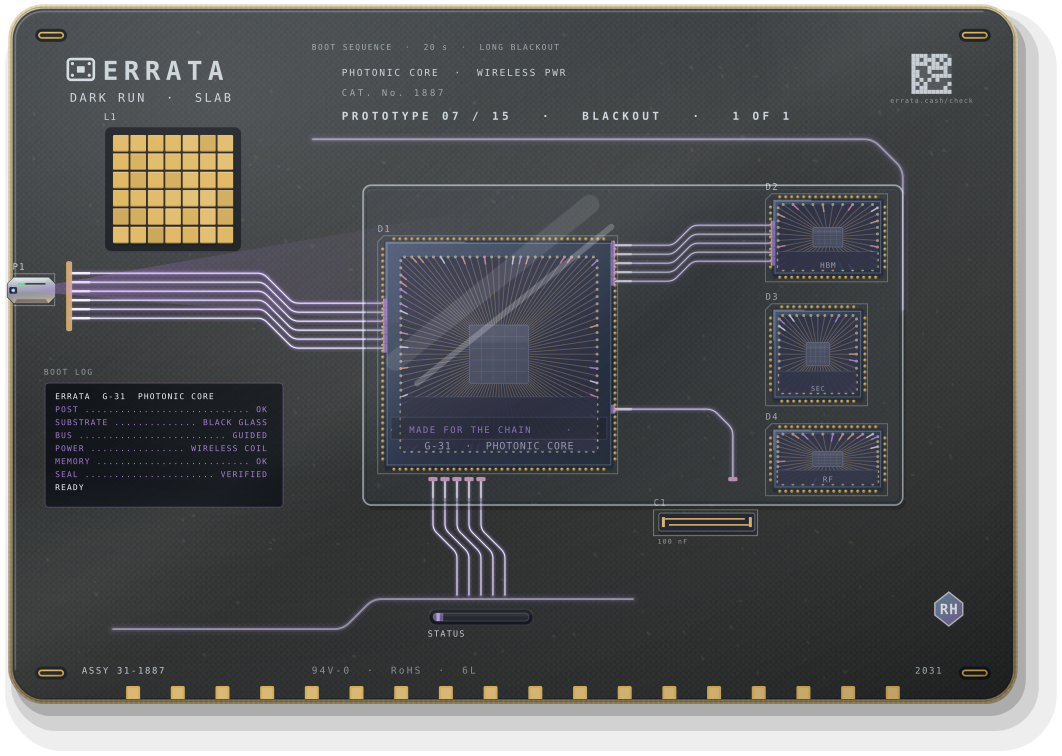
Aventurine in the soldermask: crushed glass that catches light at random. Its boot sequence runs twenty seconds, the longest of the fifteen.
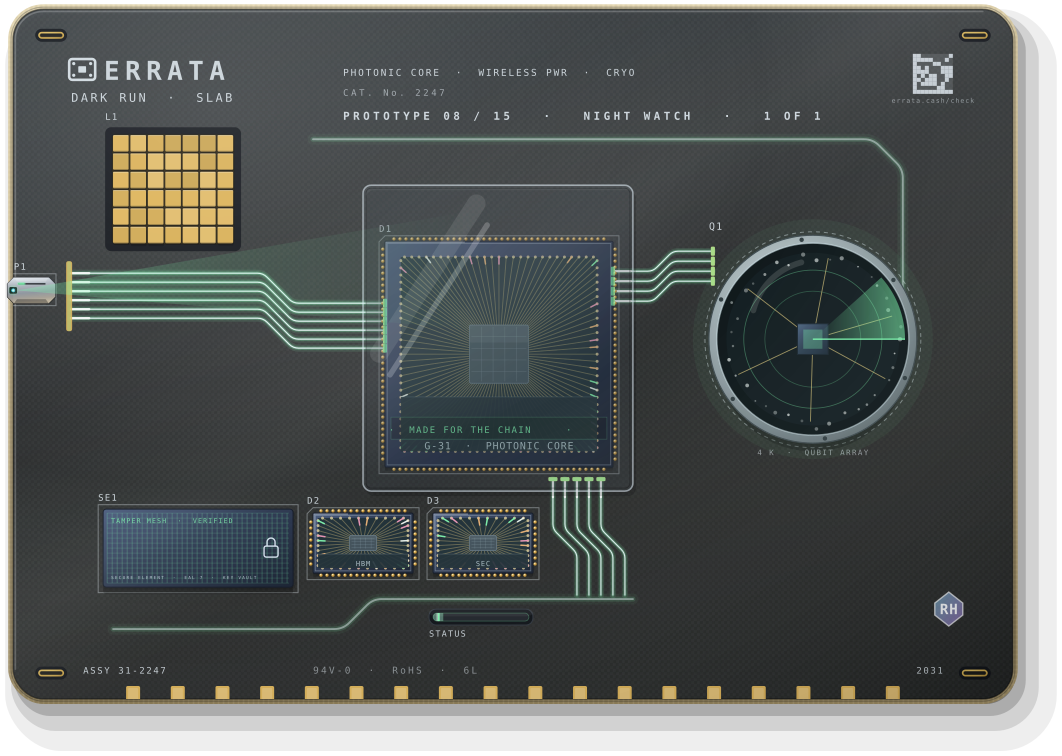
A cryogenic module under a radar sweep, watched by a secure element under its anti-intrusion mesh. It is the card that never stops looking.
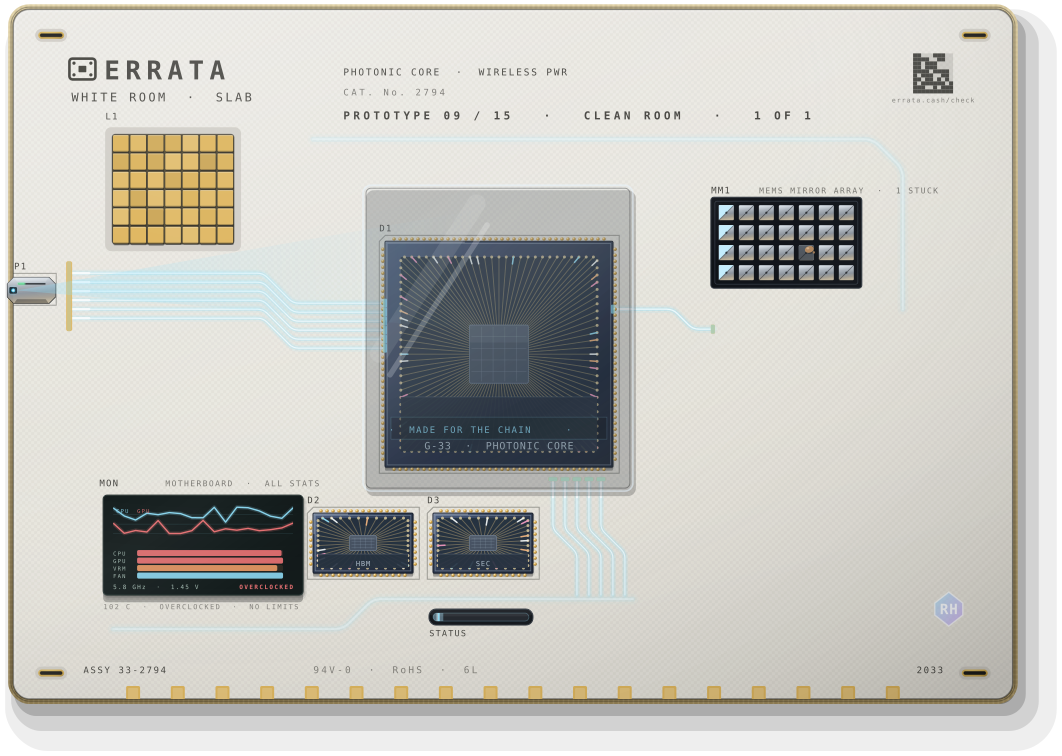
An array of micromirrors, each tilting on its own hinge, beside a second monitor reading an overclocked board.
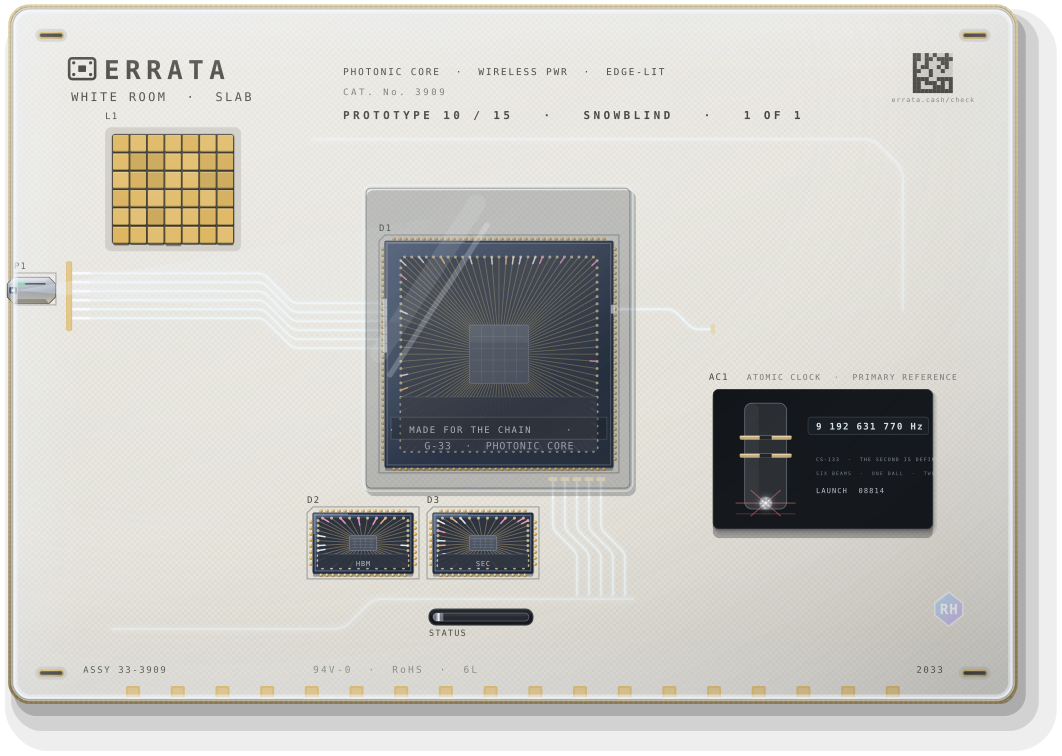
A lit white edge, and an atomic clock built as a fountain — a jet of atoms thrown up a glass column and falling back, counted by a laser.
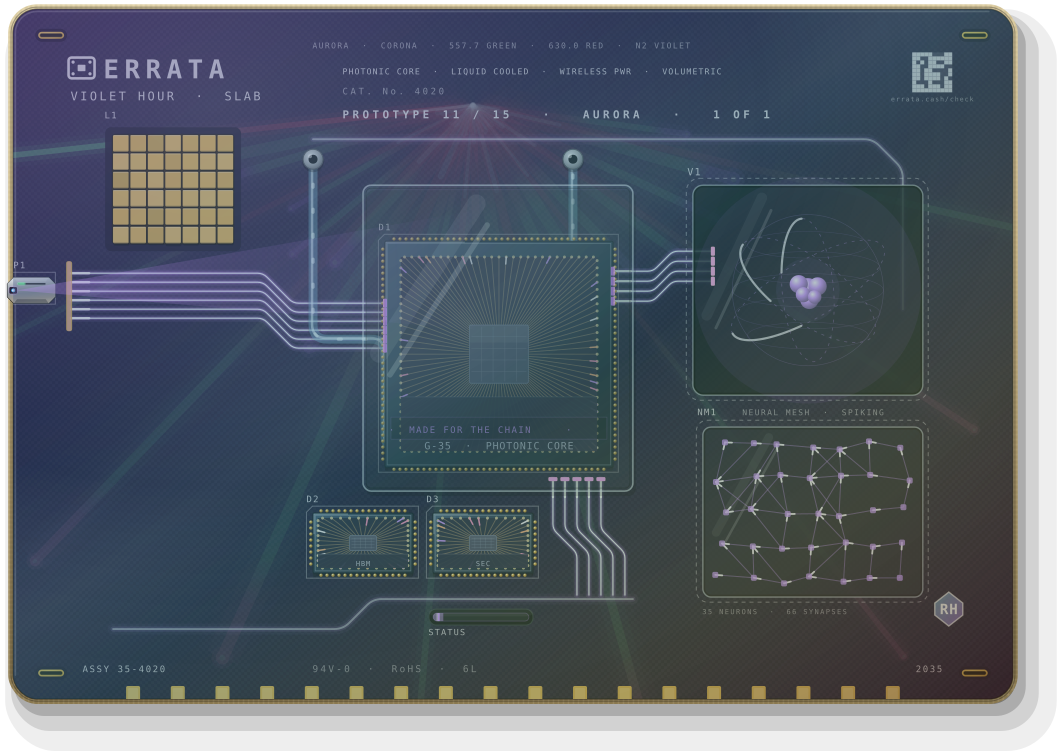
Aurora curtains deep inside the glass, their colour sliding green to violet to cyan, and a mesh of thirty-five spiking neurons firing across the board.
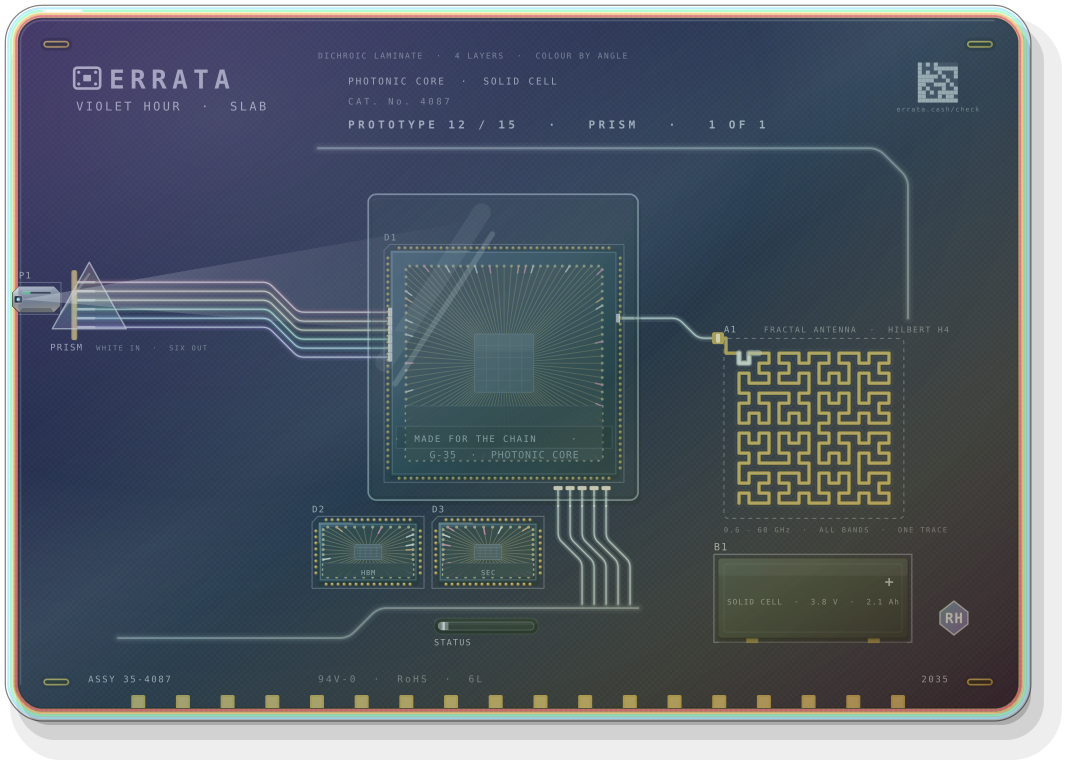
A prism at the entrance splitting one beam into six coloured guides, a dichroic laminate whose hues turn, and a Hilbert fractal antenna drawn in the gold.
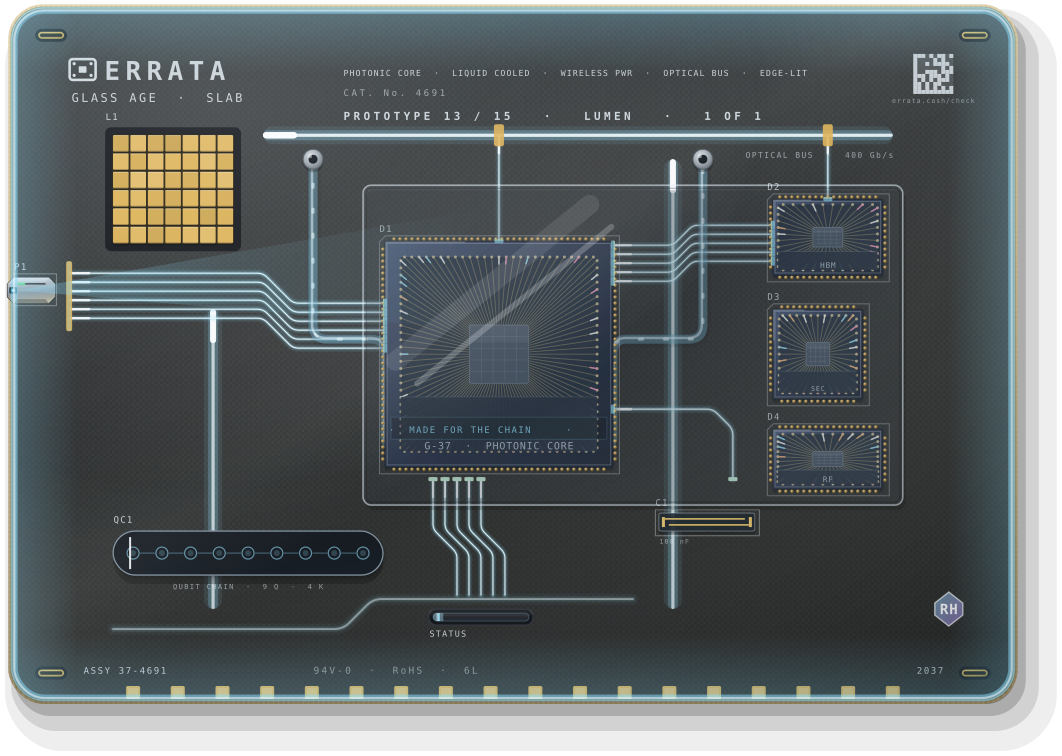
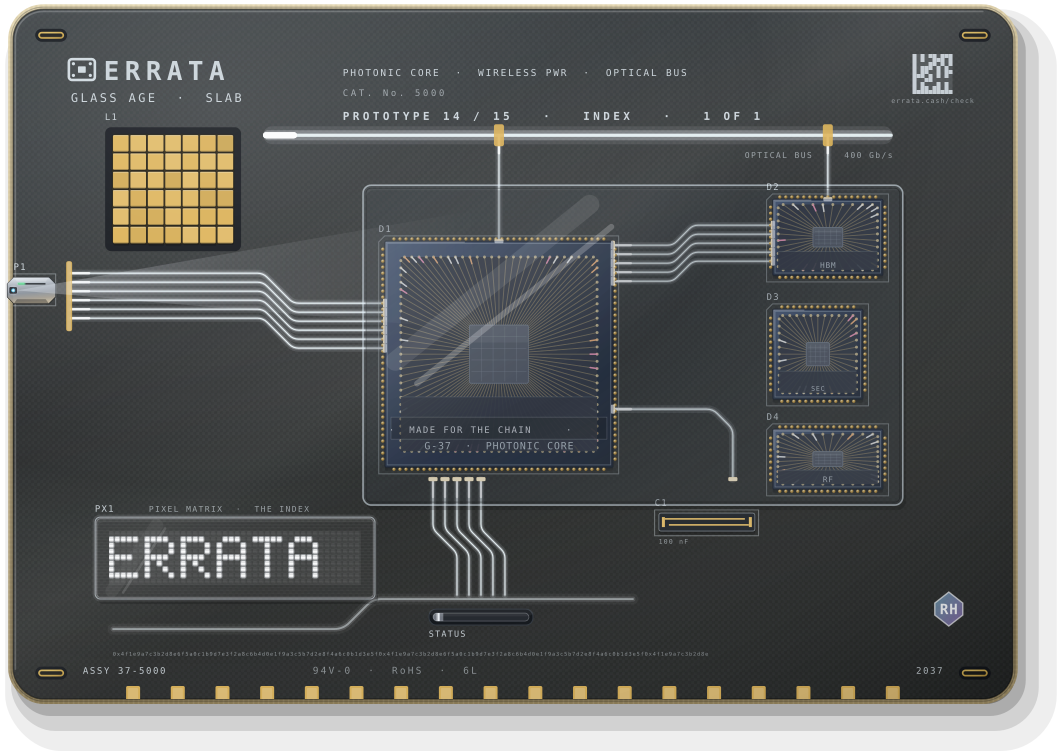
Optical buses on every axis, and a chain of qubits under the lid. The card that is all light.
A translucent glass pane floating above the board — you see through it. Code rains behind, scan lines cross in front, and the pixel matrix spells the ranges.
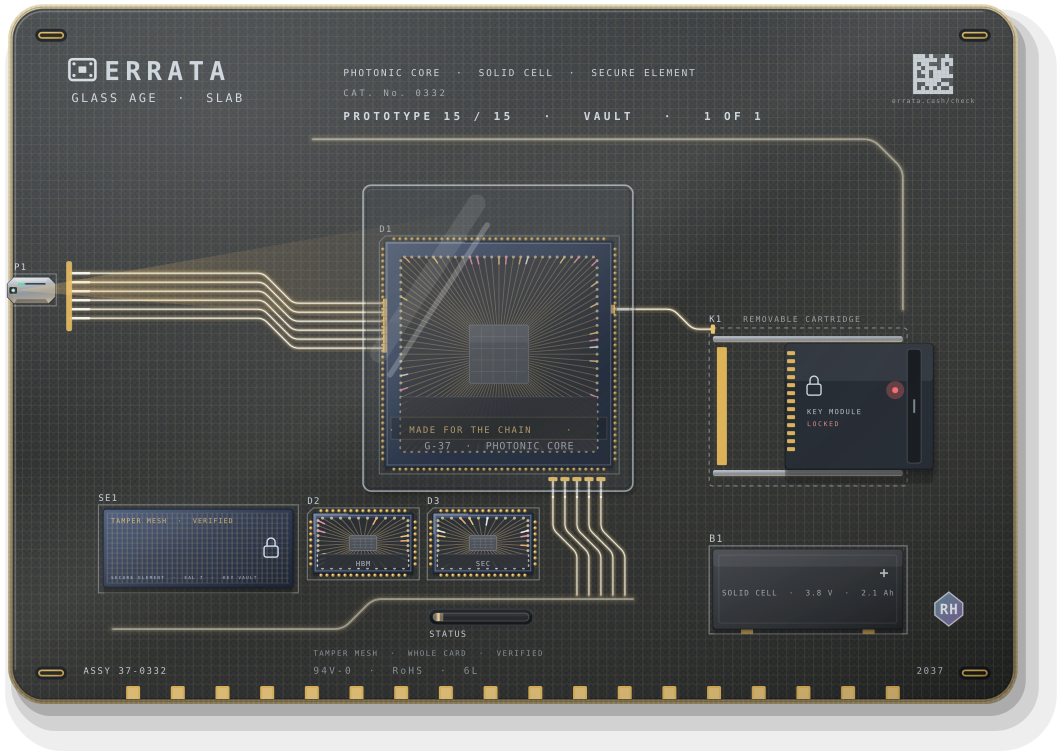
A mesh laid over the whole card, sweeping beneath the components, and a cartridge that lifts out. It is a strongbox that happens to be a circuit.